

5 Summer Safety Tips for Keeping Your Family Healthy and Safe
This article was reviewed by our Baystate Health team to ensure medical accuracy.
 Leah C. Manchester, MD

In emergency rooms, summertime is known as trauma season.
“Because people are outdoors more in the warmer months of summer, we tend to see more outdoor injury-related visits from adults and children to our emergency department than at any other time of the year,” said Dr. Leah Manchester of Baystate Health's department of emergency medicine.
Dr. Manchester offers the following expert tips to keep you safe and healthy this summer.
1. Drowning Prevention: Practice Water Safety
Swimming and boating are some of the most popular summer activities, and a great way to stay cool on hot days, but come with some risk.
To prevent drowning, children should be actively supervised – with a responsible adult’s eyes on them - at all times around bodies of water. Drowning can occur silently with minimal splashing, and even in water that is just a few inches deep.
"Home pools need to be secured with barriers high enough so that a child can’t climb over them, and with latches a child cannot open” said Dr. Manchester, noting drowning is the leading cause of unintentional death in children ages 1-4.
When boating, a USCG-approved personal flotation device should be worn at all times. Even strong swimmers can drown if they are overwhelmed by a strong current, cold water, or are injured after falling into the water.
“We also see cases of people fracturing their necks from diving into shallow water, whether in the backyard pool or at the local pond. What can happen is that when a person breaks their neck, they lose control of their arms and drown,” she added.
She also noted that if they survive their initial neck injury, these patients may have permanent neurological damage and can lose the use of their arms or legs.
Make water safety your priority by enrolling in American Red Cross home pool safety, water safety, first aid and CPR/AED courses to prevent and respond to injuries.
Water Safety Tips
- Swim in designated areas supervised by lifeguards.
- Swim with a buddy.
- Surround your pool or spa on all four sides by a fence at least 4-feet high with self-closing, self-latching gates.
- Always use a personal floatation device when out on a boat.
2. Never Leave Children and Babies in Cars
It’s never okay to leave a child alone in a car for any reason. As temperatures begin to heat up, they’re at serious risk for heat stroke when left alone for even a few minutes in a closed vehicle.
Hot Car Safety Basics
- Keep doors locked when parked to prevent curious children from entering when no one is around. A child that can get into a car may not be able to get back out.
- If possible, put your child’s car seat or booster seat in the middle of the back seat and visible in your rearview mirror.
- Put your purse, phone or bag in the back seat so you will check the back seat when you arrive at your destination.
Dr. Manchester urges everyone “to never ever leave a child alone in a car whatever the temperature hot or cold.”

Prevent Heat Stroke and Heat Exhaustion
3. Protect Your Kids from Falls, a Leading Cause of Injury
Falls are the leading cause of injury to kids, and open windows, especially in summer, can lead to serious injuries.
“Screens are not enough to keep children from falling out of windows. Parents need to install window guards or stops, which keep windows from opening more than four inches,” said Dr. Manchester.
Always supervise children if they are out on a balcony or deck, as they could climb over or slip through railings.
Playgrounds are very popular locations during the summer months, however kids are also at risk of falling from equipment like jungle gyms or slides. A responsible adult should be watching out for children playing on any elevated surfaces.
Summer falls are also a big risk for adults, especially for seniors who are susceptible year-round.
“Adults are at risk while outdoors climbing ladders to paint the house or trim a tree. You should always have another adult nearby if you are using a ladder,” said Dr. Manchester, who also cited slipping on wet surfaces around the pool as another hazard.
Window Safety Tips
The National Safety Council recommends the following:
- When young children are around, keep windows closed and locked.
- When opening a window for ventilation, use those located out of a child’s reach.
- Supervise children to keep child’s play away from windows, balconies or patio doors.
- Avoid placing furniture near windows to prevent young children from climbing and gaining access to an open window.
- Don’t allow children to jump on beds or other furniture to help reduce potential falls.
- Don’t rely on insect screens to prevent a window fall. Insect screens are designed to keep bugs out, not to keep children in the home.
- Install ASTM F2090 compliant devices designed to limit how far a window will open or window guards (with quick-release mechanisms in case of fire or other emergency) to help prevent a fall.
- Teach your child how to safely use a window to escape during an emergency, such as a fire.
4. Practice Hiking Safety
Even something otherwise healthy like hiking, a popular summer and fall activity, can turn tragic.
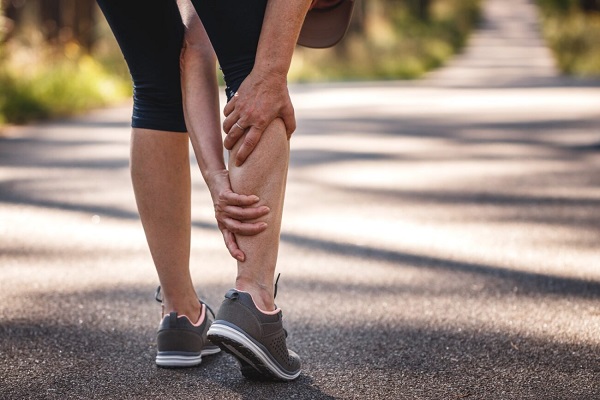
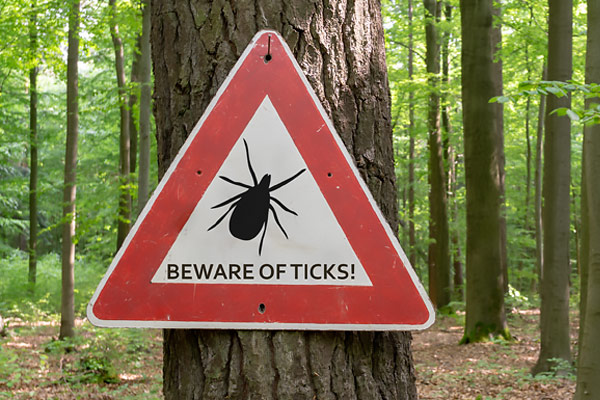
“Hikers can fall and break a leg or get lost in the woods and find themselves spending a cold night outdoors, where they can develop hypothermia. Additionally, an otherwise healthy appearing person might develop chest pains while hiking, not realizing they have an underlying heart condition. A person with asthma or COPD could have their illness triggered by pollen or exertion during an outdoor activity, and if they have an episode while hiking and have forgotten their inhaler, it could lead to tragic circumstances,” said Dr. Manchester. Exposure to insects that carry diseases, such as mosquitos and ticks, increase significantly when hiking in wooded areas.
Also, with increased bear sightings, it’s a good idea to be “bear savvy.”
“It goes without saying that you never want to provoke or approach a bear, especially a mother and her cubs. Hike with others and make noise so a bear can hear you coming and hopefully scamper off. Also consider purchasing bear pepper spray and learning how to use it properly,” said Dr. Manchester.
“A little caution and taking the necessary precautions can go a long way in making your summer more injury-free and enjoyable for both you and your children,” she added.
Hiking Safety Tips
- Have a plan: Prepare for weather, bring appropriate supplies, footwear, and clothing, and prepare for the return hike.
- Bring a map and compass. Your phone may lose signal while you're on the trail, so be sure to look at your trail ahead of time and come prepared.
- Bring extra water and food.
- Bring safety items like a light and a whistle.
- Bring a first-aid kit and a knife or multi-purpose tool.
- Wear (and bring) sunscreen and sun protection.
- Use insect repellant containing DEET or Picaridin and perform tick checks when you return home.
Learn more from the American Hiking Society.
5. Lawnmower Safety: Wear Ear and Eye Protection While Mowing
The Baystate emergency medicine physician also warned about lawnmower accidents, which are common in the summer for both adults and children, resulting in serious injuries to the fingers, hands and feet, including amputations. According to the U.S. Consumer Product Safety Commission, each year some 800 children are run over by riding mowers or small tractors.
“Debris can be thrown by the mower, possibly leading to blunt trauma. Always wear hearing protection and eye protection when using mowers, they may assist in preserving sight and hearing,” said Dr. Manchester.
“Keep your children indoors when you are mowing the lawn and be sure you don’t operate your mower barefoot,” she added.
If you need to reach under the mower for any reason, make sure the engine is completely powered off. Mower blades can easily cut off fingers, and this is an injury we see every summer in the ER at Baystate.
Prevent Lawnmower Injuries
- Read your lawnmower's instruction manual before you use it.
- Pick up stones and other debris before you start mowing.
- Wear goggles and ear plugs to protect your eyes and ears.
- Wear long pants and closed-toed shoes.
- Keep children off the lawn while mowing.
- Never have a passenger on your riding mower.
More Summer Safety Tips for You and Your Family
- Never leave a hot grill unattended.
- Keep kids away when grilling.
- Remind kids to ride their bicycles on the right-hand side of the street traveling in the same direction as cars. Teach them to obey traffic lights as cars do, and to always wear a helmet.
- A heat index at or above 90°F can lead to heat-related illness. Make sure your child drinks plenty of water to stay hydrated. Lemon and coconut water are especially good for hydration, or vegetable juice, which is better than fruit juice.
- Apply sunscreen to cover all exposed areas 15 minutes before going outdoors. Opt for sunscreen with at least SPF 30 and UVA and UVB (broad spectrum) protection. Always reapply when you or a child comes out of the water.
- Use insect repellant to prevent bites from mosquitos (which can carry west nile virus) and ticks (which can carry Lyme disease). Good options are Picaridin or DEET (up to 30% concentration).
Related Articles







Back to Top