

Sleep Disturbances and Stroke Risk
This article was reviewed by our Baystate Health team to ensure medical accuracy.
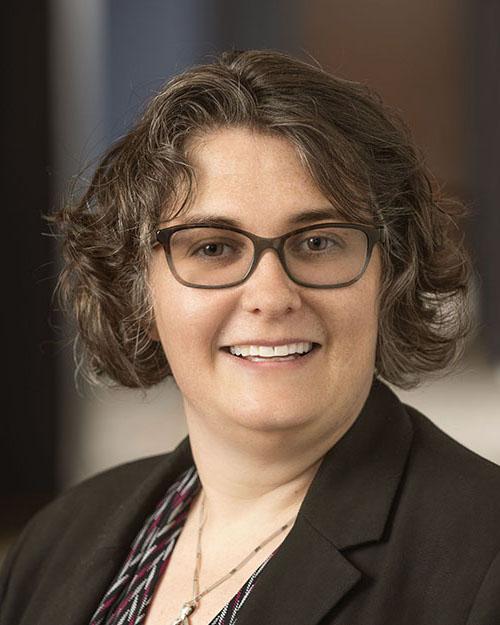 Karin G. Johnson, MD
Key Takeaways
- Poor sleep is linked to a higher risk of stroke. Both insufficient sleep, excessive sleep, and disrupted sleep patterns have been associated with increased stroke risk.
- Sleep apnea is a major stroke risk factor. People with obstructive sleep apnea may have about twice the risk of stroke, even after accounting for other cardiovascular risk factors.
- Sleep affects many conditions that contribute to stroke. Poor sleep can increase the likelihood of high blood pressure, obesity, diabetes, high cholesterol, inflammation, and blood clot formation.
- Sleep quality matters as much as sleep duration. Symptoms such as snoring, frequent nighttime awakenings, daytime fatigue, and excessive napping may signal an underlying sleep disorder that should be evaluated.
- Improving sleep health may help protect brain and heart health. Treating sleep disorders and practicing healthy sleep habits can support stroke prevention and overall cardiovascular wellness.
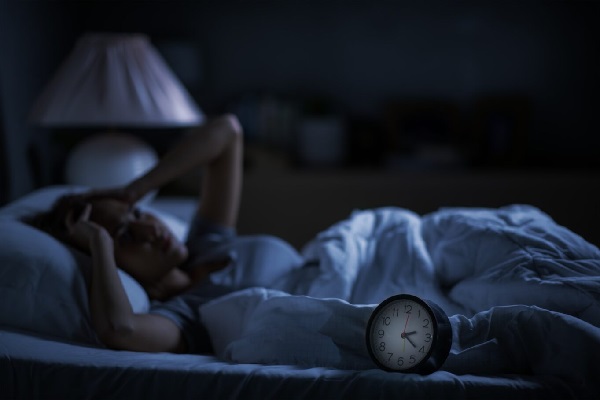
Not getting enough sleep? Feeling tired and devoid of energy as a result?
That may not be all you have to worry about. There are various epidemiologic studies associating stroke with poor sleep, the latest being a study published in the April 5, 2023 edition of the journal Neurology which associates poor sleep with stroke risk.
Sleep Disturbances and Health
The Neurology study author, Christine McCarthy of the University of Galway in Ireland, noted having five of the following sleep symptoms could raise your risk of stroke - snoring, snorting, tossing and turning, napping for a long time during the day, waking up during the night, and sleeping too little or even too much.
Baystate Health neurologist Dr. Karin Johnson, Division Chief of Baystate Sleep Medicine and Medical Director of Baystate Health Regional Sleep Program, who has conducted her own sleep research, agrees with the findings that have also been identified in previous research. Dr. Johnson said when patients see her for possible sleep disorders, she explains to them that the dangers of not getting enough sleep or poor-quality sleep can lead to not only stroke, but many chronic health problems such as high blood pressure, diabetes, heart disease, kidney disease, obesity, and depression.
“When it comes to sleep and stroke risk, too little, too much sleep, or poor quality sleep from disorders like obstructive sleep apnea are all factors,” Dr. Johnson said.
The most common type of stroke (also called transient ischemic attack or cerebrovascular incident) occurs when blood vessels to the brain are blocked, preventing the brain from getting oxygen and nutrients from the blood needed to keep brain cells alive.
Poor sleep can increase the risk of stroke by contributing to:
- Obesity
- High blood pressure
- High cholesterol
- Inflammation
- Diabetes
Poor sleep may also increase the risk of blood clots. In addition, sleep affects the clearance of toxins from our brain through the glymphatic system, which is also associated with Alzheimer’s and dementia.
Sleep Apnea and Stroke Risk
In her own research dating back to 2010 in the Journal of Clinical Sleep Medicine, Dr. Johnson’s data showed that obstructive sleep apnea (OSA) is found in 72% of all stroke patients including those with mini-strokes, otherwise known as transient ischemic attacks, which can be a warning of a larger stroke to come. During sleep a person’s airways narrow, which in patients with OSA leads to blocked or disrupted airflow to the lungs. This can cause drops in oxygen levels or sleep disruptions throughout the night that can raise our heart rate and blood pressure and cause inflammation. Other studies have shown that even after adjusting for other risk factors, people with OSA have about double the risk of having a stroke.
Treatments for OSA include using a machine (called CPAP or continuous positive airway pressure machine) that delivers air pressure through a mask to keep your upper airway passages open, as well as other air pressure devices, special oral appliances available from some dentists and weight loss treatments. Baystate also offers an alternative to CPAP that works inside your body while you sleep. Inspire, an implantable device stimulates your tongue to move forward to open your airway while you sleep, improving breathing and sleep.
Sleep Duration & Quality Impacts Stroke Risk
Dr. Johnson noted that adults who sleep less than seven hours per night are more likely to have a stroke, and the risk increases as average sleep time shortens. Making sure to prioritize sleep and allow enough time to get the right amount of sleep before you need to get up in the morning is important. Some people want to sleep longer, but just can’t due to insomnia. For those with racing thoughts, cognitive behavioral therapy for insomnia can be very helpful. Middle of the night awakenings may be due to OSA or another untreated sleep disorder.
A 2019 study published in Neurology also found that sleeping nine or more hours per night had a 23% higher risk of stroke than those sleeping less than eight hours. The study also found that people who took midday naps for at least 90 minutes had a 25% higher stroke risk compared with those napping for less than 30 minutes. This is likely because sleeping too much often is a sign of an untreated sleep disorder like OSA.
According to the article “Sleep and Stroke” published in the May 2, 2019 issue of the journal Stroke, despite estimates of greater than 50% prevalence of sleep disorders after stroke, only about 6% of stroke survivors are offered formal sleep testing and an estimated 2% complete such testing in the three-month post-stroke period.
Warning Signs That Sleep Problems May Be Affecting Your Health
Healthy sleep is about more than just the number of hours you spend in bed. If your sleep is not restful or restorative, you may notice symptoms during the day, such as:
- Feeling unusually tired, even after a full night’s rest
- Difficulty concentrating or staying focused on daily tasks
- Trouble remembering thing
- Experiencing mood changes, such as irritability, anxiety, or increased stres
- Frequent headache
- Problems falling asleep or staying aslee
- Waking up feeling unrefreshed
- Changes in appetite
Who Is Most at Risk for Sleep-Related Stroke Complications?
Understanding the factors that contribute to sleep-related stroke risk can help you make informed decisions about your health. Some of the most common risk factors include:
- People with existing heart disease or high blood pressure
- Individuals who have sleep disorders, especially sleep apnea
- Adults over the age of 55
- Those living with diabetes
- Smokers
- Anyone with a family history of stroke
- People who are overweight or have obesity
- Individuals who don’t get regular physical activity
Getting a Good Night’s Sleep, for Your Health
Dr. Johnson and the American Academy of Sleep Medicine offer the following additional tips on how to get a good night’s sleep:
- Avoid nicotine, alcohol, food or drinks that contain caffeine, and any medicine that has a stimulant prior to bedtime.
- Follow a consistent bedtime routine.
- Establish a relaxing setting at bedtime.
- Avoid any rigorous exercise within two hours of your bedtime.
- Make your bedroom quiet, dark and a little bit cool.
- Don’t watch the clock at night, but use an alarm to help wake you up.
- Get up at the same time every morning.
- Avoid electronics and bright lights in the evening.
Dr. Johnson noted the importance of sleep health was endorsed by the American Heart Association who in 2022 added sleep health as one of Life’s Essential 8 to prevent stroke and heart disease along with nutrition, exercise, smoking cessation, blood pressure, cholesterol and glucose control and weight loss. Because poor sleep affects all these other pillars of health, sleep is really the “bed”-rock of health.
If you struggle with poor sleep, not enough sleep, too much sleep, or any other sleep-related symptoms, reach out to our Neurodiagnostic and Sleep Center team about testing and treatment options.
Wake Up Call: How Sleep Apnea Impacts Stroke Risk
Related Articles




Back to Top