

Are Leg Cramps Serious? PAD Symptoms & When to See Your Doctor
This article was reviewed by our Baystate Health team to ensure medical accuracy.
 Yiming A. Ching, MD
Key Takeaways
- Most leg cramps are harmless, often caused by muscle overuse, stress, or dehydration, and can usually be relieved with stretching, massage, or heat/cold.
- Peripheral arterial disease (PAD) is a serious blood flow condition that can sometimes be mistaken for leg cramps but causes pain with activity, not at night.
- Smoking is the strongest risk factor for PAD, and other risks include diabetes, high blood pressure, high cholesterol, and kidney disease.
- PAD symptoms range from leg pain while walking to non-healing foot sores, coldness, numbness, or color changes in the legs.
- Early diagnosis and management—including lifestyle changes, medications, and in severe cases surgery—can prevent progression and reduce the risk of heart attack, stroke, and limb loss.
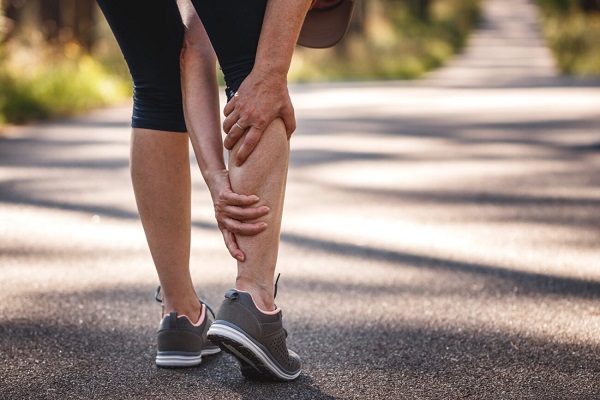
Leg cramps are a common annoyance that most everyone experiences at some point in their life. For some people, painful leg cramps (often called charley horses) can disrupt their sleep. According to the Sleep Foundation, about 60% of people report experiencing leg cramps at night.
Whether you have leg cramps during the day or night, leg cramps can often be treated with exercise, both during cramping episodes and during the day to prevent them.
What Causes Leg Cramps?
Leg cramps may be caused by:
- stress
- overworking your muscles
- dehydration
But frustratingly, leg muscle cramps often happen for no known reason.
Although most leg cramps are harmless, some may be related to an underlying medical condition known as peripheral arterial disease (PAD), a form of peripheral vascular disease (PVD).
How to Stop Leg Cramps
Common ways to stop leg cramps quickly include:
- massaging the cramped muscle
- stretching the cramped muscle
- applying heat with a warm towel or heating pad
- applying cold with an ice pack
If your leg cramps are frequent and don't get better, make an appointment with your doctor to investigate if something more serious is causing them, like PAD.
Peripheral Vascular Disease (PVD) vs. Peripheral Arterial Disease (PAD)
As its name suggests, peripheral vascular disease (PVD) affects all types of blood vessels including arteries, veins, and lymphatic vessels. PVD is an “umbrella term” that encompasses several slow, progressive circulatory diseases caused by the narrowing of, blockage in, or spasms in blood vessels.
Peripheral arterial disease (PAD) only affects arteries, most often the arteries of the legs. Left untreated, PAD can lead to lack of oxygen to other organs causing limb loss, heart attack, or stroke.
Risk Factors for Peripheral Arterial Disease (PAD)
PAD affects more than 10 million people in the U.S. It is more common in people 65 years and older but can occur at nearly any age. Smoking, diabetes, high blood pressure, high cholesterol or triglycerides, obesity, and kidney disease increase your risk for PAD. Of the numerous risk factors for PAD, smoking is the most important one. In fact, the risk of smokers and former smokers developing PAD is 2.5x higher than it is for non-smokers.
Both men and women are at risk of developing peripheral arterial disease when they have one or more of the following risk factors:
- Smoking
- Age 50+
- Diabetic, especially those with long-term insulin dependence
- Chronic kidney disease
- Experienced a heart attack
- Family history of PVD
- High blood pressure
- High cholesterol
- Blood clotting disorder
Peripheral Arterial Disease (PAD) Symptoms
There are different stages of peripheral artery disease (PAD). Some people have PAD but don’t notice any symptoms. Others may feel mild to moderate pain or cramping in their legs when walking, which is called claudication. In more advanced cases, PAD can cause pain even when resting or lead to sores, wounds, or tissue damage on the legs or feet.
If you have lower limb PAD, symptoms typically occur in your legs and feet.
- No symptoms: Many people with PAD may not notice any symptoms, especially in the early stages. It’s important to know the risk factors for PAD and talk to your doctor about your possible risk.
- Pain or cramping while walking (claudication): Claudication is pain, cramping, or discomfort in the muscles in your legs (calves, thighs, or buttocks) or arms, that happens during physical activity like walking or exercising. The pain stops when you rest and returns when you start the activity again.
- Pain in toes or feet while resting: When PAD worsens, you might also have pain in your feet when resting, especially at night.
- Sores on toes or feet that won’t heal: An open wound or ulcer on your toes or feet, often at a pressure point on the foot, can progress to gangrene. These symptoms require prompt medical attention.
- Leg numbness or weakness: You may experience numbness or weakness in the legs, making it harder to walk or stand for longer periods of time.
- Coldness in your lower leg or foot: One leg or foot may feel colder to the touch than the other due to restricted blood flow.
- Change in skin color: The skin on your legs may turn pale, bluish, or have a shiny appearance.
- Slow nail or hair growth on your legs: Poor circulation can slow down nail and hair growth on your legs and feet, which can lead to little or no hair on the toes, feet, or lower legs.
A Closer Look at Leg Muscle Cramps and Peripheral Arterial Disease (PAD)
The most common symptom of lower-extremity PAD, painful muscle cramps in calf, buttocks, thighs, or hips, is called claudication.
The classic symptoms of claudication are calf muscle cramping while walking. Patients describe an intense tightness, pain, or “charley horse” to their calf muscles, which forces them to stop walking. After a few minutes of rest, patients can resume walking again.
Nighttime leg cramps, which occur at night while sleeping, are typically not a result of PAD. Cramping of muscles caused by PAD is specifically triggered by activity.
Treatment for Leg Cramps and Peripheral Arterial Disease (PAD)
The goal of treating PAD is two-fold:
- Managing symptoms, such as leg pain, so you can continue with normal physical activities
- Stopping the progression of PAD and PVD throughout your body to reduce your risk of heart attack and stroke
For active smokers, smoking cessation is the most important step in preventing progression of disease.
There are also medications to consider, including anti-platelet therapy (e.g. aspirin) and cholesterol medications (e.g. statins such as Atorvastatin). We prescribe these medications because arterial disease is a global process, and PAD patients are also at risk for heart attack and stroke.
In very severe cases, surgery may be needed. Most vascular surgeons will limit surgical intervention to patients with severe pain at rest, or tissue loss. We take a careful approach when treating PAD because the condition can sometimes come back even after treatment, and in some cases, it may return more severely than before. Our goal is to find the safest and most effective path for your long-term health.
For the 4% who become so symptomatic that surgery is required, the most common options are angioplasty, stenting, and, less often, surgical bypass in the affected area.
However, the majority of PAD patients can successfully live with the condition without surgery.
When to Seek Medical Advice for Leg Cramps or PAD Symptoms
If you have trouble with your feet or legs, talk to your healthcare provider about PAD. In addition to the pain and potential limb loss related to PAD, people with PAD have an increased risk of coronary artery disease, stroke and heart attack. Early detection is key. Speak to your doctor if you have any concerns about yourself and encourage friends and loved ones exhibiting symptoms to do the same.
Related Articles







Back to Top