

Inside Neurocritical Care: How Brain-Saving Treatments Improve Outcomes
This article was reviewed by our Baystate Health team to ensure medical accuracy.
 Benjamin J. Barnes, MD
Key Takeaways
- Neurocritical care saves lives. Specialized care for serious brain, spinal cord, and nervous system emergencies can improve survival and long-term recovery.
- Fast treatment matters. Rapid diagnosis and intervention after a stroke, brain injury, seizure, or brain hemorrhage can help prevent further brain damage.
- Neurocritical care goes beyond the ICU. Neurointensivists use advanced neurologic monitoring and specialized treatments to protect brain function while supporting the rest of the body.
- Round-the-clock expert care improves outcomes. Patients treated by a dedicated neurocritical care team have shorter hospital stays, lower mortality rates, and are more likely to return home after hospitalization.
- Team-based care is essential. Neurointensivists, nurses, neurologists, neurosurgeons, respiratory therapists, and pharmacists work together to respond quickly to changes and optimize recovery.
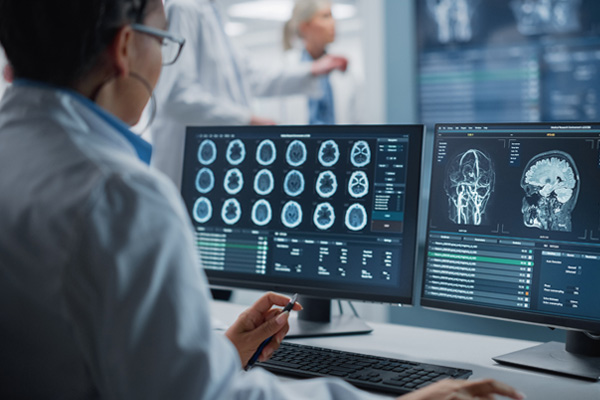
Every year, millions of Americans suffer acute strokes, seizures, traumatic injuries, and other neurologic emergencies. What happens in the minutes and hours after they arrive at the hospital can have a huge impact on how well they recover. Thanks to the Neuro Critical Care Unit (NCCU) at Baystate Health—the only in western Massachusetts—Baystate patients are assured prompt and medically sound assessment and treatment at a time when every second counts.
What is Neurocritical Care and Why It Can Save Lives?
Neurocritical care is a specialized form of intensive care for patients with life-threatening problems involving the brain, spinal cord, and nervous system. As Benjamin Barnes, MD, a neurointensivist and medical director at the Baystate NCCU says, “Neurocritical care focuses on stabilizing the brain while also supporting the rest of the body. That balance is important because brain injuries can affect breathing, blood pressure, consciousness, and other vital functions. Unlike a general ICU, a neurocritical care unit is built around neurologic monitoring, rapid intervention, and preventing secondary brain injury.”
Who Needs Neurocritical Care?
Neurointensivists care for patients with a wide range of serious neurologic illnesses and injuries. Common conditions include stroke, brain hemorrhage, traumatic brain injury, subarachnoid hemorrhage, seizures, epilepsy, brain tumors, meningitis, encephalitis, hydrocephalus, spinal cord injury, and neuromuscular disorders that can cause respiratory failure, such as Guillain-Barré syndrome or myasthenia gravis crisis.
They also manage complications such as brain swelling, elevated intracranial pressure, coma, and neurologic decline after surgery or critical illness. As Dr. Barnes explains, “In many cases, the goal is not only to treat the original problem, but also to prevent a second wave of injury caused by swelling, low oxygen, poor blood flow, or uncontrolled seizures.”
Why Round-the-Clock Care Makes a Difference
Since opening its doors in 2018, Baystate’s NCCU has been open every hour of every day. Dr. Barnes says, “Twenty-four-hour access is mandatory as neurocritical patients need highly specialized, round-the-clock attention. Our dedicated team of doctors and nurses are trained to recognize neurologic changes early and respond quickly with treatments such as airway support, seizure control, blood pressure management, and monitoring for rising pressure inside the skull.”
Research shows that this type of vigilance leads to better outcomes. According to Barnes, patients seen by a neurointensivist-led team experience shorter hospital stays, nearly a 10% reduced chance of mortality, and are 15% more likely to be discharged to home versus a nursing home.
In addition to neurointensivists, Baystate’s NCCU team includes nurses, respiratory therapists, pharmacists, and specialists such as neurosurgeons or neurologists working together. Barnes notes, “Collaboration like this among specialists can be especially important when the condition is unstable and decisions need to be made quickly. The goal is always to give the brain the best possible chance to recover during the most dangerous phase of illness. Preventing secondary injury and responding rapidly to complications can make a meaningful difference in survival and long-term function.”
Why It Matters for Western Massachusetts
While no one expects a neurocritical emergency, knowing you that expert, specialized care is available close to home can provide comfort and peace of mind. For patients and families in western Massachusetts, Baystate’s NCCU offers expert care that helps guide treatment, protect brain function, and support recovery when every second counts.
Emergency in the Brain: A Look Inside Neurocritical Care
Related Articles







Back to Top