


Breast Cancer Recurrence: What You Need to Know
This article was reviewed by our Baystate Health team to ensure medical accuracy.
 Bachir J. Sakr, MD

According to the American Cancer Society, there are more than 4 million breast cancer survivors in the United States, including women still undergoing treatment and those who have finished treatment. While the type of cancer and treatment can vary greatly among survivors, one thing they all share is the worry that it might return.
Dr. Bachir Sakr, a medical oncologist at Baystate Health, treats hundreds of breast cancer patients every year and understands their concerns. However, he also counsels those same patients to be hopeful.
“While it’s true that all types of breast cancer can recur months — or even years — after finishing treatment, ongoing advancements in treatment make recurrence less likely and offer new options to better treat and manage many cases.
Factors Influencing Breast Cancer Recurrence
As Dr. Sakr notes, “A recurrence happens when cancer cells are left behind after surgery. Even one surviving cell left behind after radiation or medical therapy can multiply and eventually form a new tumor. The recurrence may be contained within the breast, or it can develop in other areas of the body which is then referred to as metastatic breast cancer.”
He adds, “While even the most advanced tests and screenings cannot predict whose cancer will or will not return, we do have ways of estimating the risk of recurrence based on certain factors.”
Factors influencing the risk of recurrence include:
The Stage of Cancer at the Time of Initial Diagnosis
The stage of cancer refers to the amount of cancer in the body at the time of diagnosis. Stages range from 0 to 4, with lower numbers indicating less spread.
The lower the stage at the initial diagnosis, the less likely the chance of recurrence.
The Type of Breast Cancer at the Time of Initial Diagnosis
The type of breast cancer is determined by the specific cells in the breast that become cancerous. Cancers that forms in the milk ducts and does not spread beyond the duct are referred to as in situ, or ductal carcinoma (DCIS). Cancers that spread beyond the duct and into breast tissue —or further— are considered invasive
In situ ductal carcinomas can recur locally in the breast only whereas invasive cancers can recur locally or as metastatic cancer.
The Grade of Cancer at the Time of Initial Diagnosis
Cancer cells removed from the breast are examined in the pathology lab and assigned a grade between 1 and 3. A grade of 1 indicates the cells appear like normal cells, while a grade of 3 indicates abnormal, fast-growing cancer cells. Grade 3 cancers are more likely to recur than those with a grade of 1 or 2.
The Subtype of Cancer at the Time of Initial Diagnosis
Breast cancer is further classified by subtypes based on hormone receptors (estrogen receptor ER and progesterone receptor PR) and human epidermal growth factor 2, also known as HER2. HER2 positive and tumors that are negative for all three markers (also referred to as triple negative breast cancer) are more likely to spread and recur than those with either ER or PR positive cancers..
A Patient’s Age
Dr. Sakr also notes that patients diagnosed with breast cancer before the age of 35 are more likely to experience a recurrence. “We’re not entirely sure if this is a result of their age or because they developed a more aggressive type of cancer that’s more likely to spread or metastasize.”
Smoking
Research shows that smoking increases the risk of breast cancer recurrence. In fact, the risk of recurrence for breast cancer survivors who currently smoke is more than three times higher than it is for survivors who never smoked. Smoking is also linked to a higher risk of death from breast cancer and other cancers.
Predicting the Risk of Breast Cancer Recurrence
One recent clinical advancement that Dr. Sakr feels is particularly promising for predicting breast cancer recurrence is molecular testing.
“Molecular testing involves examining the genetic makeup of breast cancer cells,” he explains. “These tests can help sort women with breast cancer into groups at low or high risk of recurrence.”
Dr. Sakr adds that the same examination can also predict whether certain treatments, such as chemotherapy, may provide some protection against recurrence.
Lowering the Risk of Breast Cancer Recurrence
Some of the most effective treatments for preventing a recurrence of breast cancer are therapies provided both before and after surgery to treat an initial cancer.
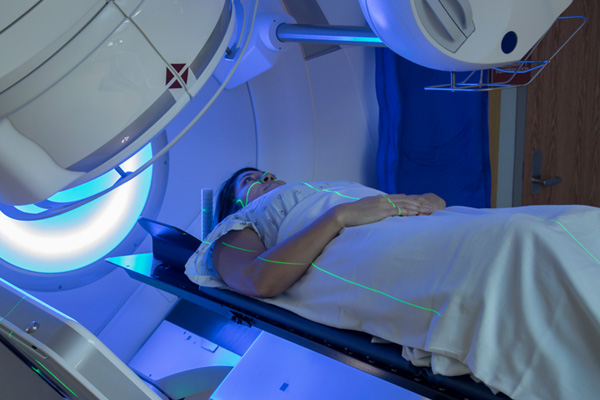
“Referred to as neoadjuvant and adjuvant therapies, these treatments include radiation, chemotherapy, immunotherapy, anti-hormone therapy, and molecularly targeted therapy,” explains Dr. Sakr. “They may be provided shortly before or after a breast cancer surgery. Therapies provided before surgery are called neoadjuvant, while those provided post-surgery are simply adjuvant. Radiation reduces the risk of local recurrence by two-thirds and medical therapy reduces the risk of metastatic recurrence by 50% or more.
Dr. Sakr notes that the decision to use neo- and adjuvant therapies depends on the type of cancer being treated and patient-specific factors, such as health and ability to tolerate additional therapies.
Lifestyle Changes to Reduce the Risk of Recurrence
Beyond medical therapies, there are things individuals can do to reduce their risk of breast cancer recurrence.
Dr. Sakr says, “There is good evidence that regular exercise lowers the risk of recurrence. Engaging in moderate exercise for 150 minutes a week is estimated to reduce risk of death by 24%. In addition, exercise improves anxiety and depression, reduces fatigue, and boosts overall quality of life.”
Maintaining a healthy weight also plays a part in reducing risk of recurrence. “Research has found that a high body mass index (BMI) is tied to a higher risk of recurrence. In addition, being overweight at the time of diagnosis is associated with a worse prognosis.”
At this point in time, no particular diet has been found to reduce the risk of metastatic recurrence. “Many patients, especially those with hormone-sensitive breast cancer are concerned about eating soy, which contains phytoestrogen, the plant form of the hormone estrogen. However, there is no evidence linking soy to a higher risk of cancer recurrence. If anything, women who eat more soy have seem to have a slightly lower risk of developing breast and other types of cancers.”
The Promise of Biomarkers for Future Detection and Treatment
Every day, researchers are working for ways to improve detection and treatment for breast and other cancers.
Dr. Sakr is particularly excited about the search for better biomarkers.
He explains, “Biomarkers are the biological indicators that help guide detection, prognosis, and the choice of therapy. An ideal biomarker would reveal which women with breast cancer can be cured by surgery alone, thus sparing them difficult and unnecessary treatments. One biomarker currently being extensively researched is circulating tumor DNA (ctDNA). The presence of tiny amounts of tumor DNA in a patient’s blood indicates a higher risk of cancer recurrence.”
Dr. Sakr notes that biomarker research and technology have some way to go before it’s an accepted method for guiding breast cancer treatment for women with early-stage breast cancer at risk for recurrence. But, he adds, “The potential to identify appropriate treatments and risks is tremendous.”
Understanding Breast Cancer Recurrence: Risks, Realities, and Research


Health & Wellness Tips
Related Articles









Back to Top