
Stroke Awareness Month - Learn to Recognize the Signs


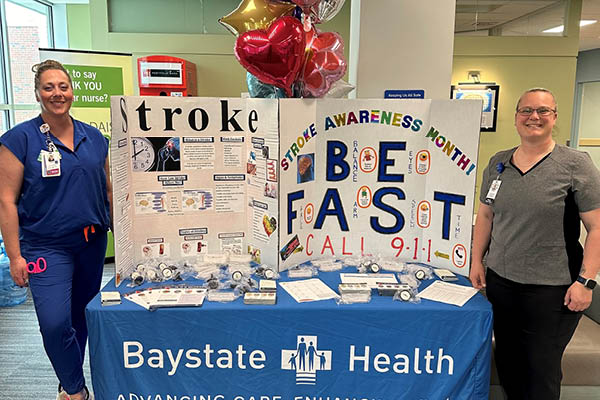
May is Stroke Awareness Month.
Two million brain cells die every minute during a stroke, increasing your risk of permanent brain damage, disability, or death. Recognizing the warning signs quickly can make all the difference. Learn how to identify stroke symptoms and explore diagnosis, treatment, and recovery options with the experts at Baystate Health.
BEFAST - Recognizing a Stroke
Stroke Awareness Articles






Team Member Spotlight: Christine Humason, BS, RN/EMT-P Nursing Supervisor
Stroke Awareness Webinar Recordings
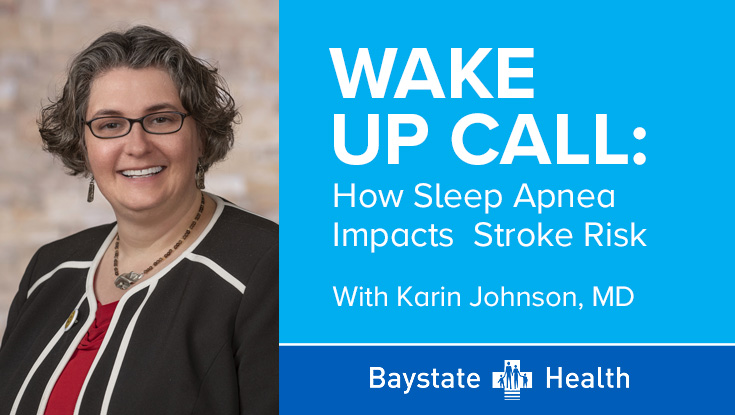
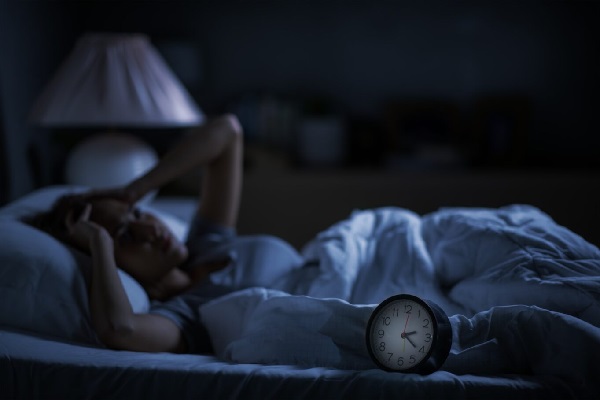
Wake Up Call: How Sleep Apnea Impacts Stroke Risk
Join Karin Johnson, MD, as she explores the vital connection between sleep apnea and other sleep disturbances and stroke. Gain practical strategies to improve sleep quality to lower your stroke risk and boost overall brain health.
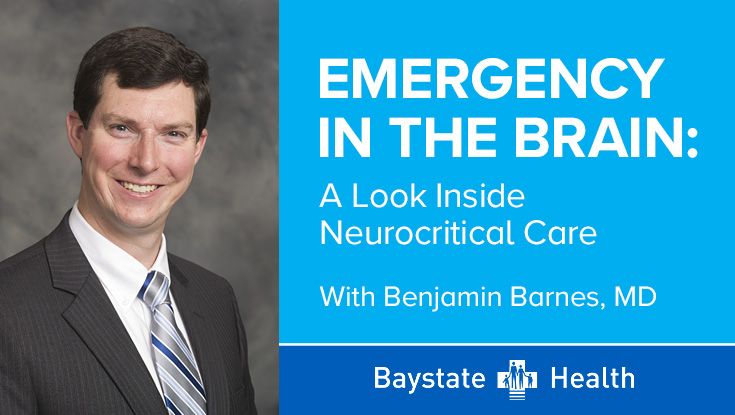
Emergency in the Brain: A Look Inside Neurocritical Care
Join Benjamin Barnes, MD, for a presentation on neurocritical care—what it is, how it differs from general ICU care, and when it’s used for stroke and other life-threatening neurologic conditions. Learn how our specialized teams use acute stroke interventions to improve long-term outcomes for patients

Time Lost is Brain Lost: The Urgency of Stroke Awareness Webinar
Discover why recognizing stroke as an emergency is crucial. Varun Naragum, MD, Neurologist, explains the warning signs and symptoms to watch for and learn how immediate medical intervention can make the difference between life and death.
The Road to Recovery: Advances in Stroke Treatment
Signs of a Mini Stroke in Women
Although men are more likely to have a stroke, women have a higher lifetime risk for stroke. Mini-strokes, or transient ischemic attack (TIA), have symptoms that could be missed. Heydi Flores Podadera, MD, Baystate Neurology, discusses mini-stroke symptoms, causes, diagnosis, and treatment.
Stress, Lifestyle, and Silent Stroke
Most of us feel stress at some level in our lives. Can stress and unhealthy lifestyle choices cause a stroke or even a silent stroke? Rajiv Padmanabhan, MD, Baystate Neurology, discusses stress, the impact of lifestyle, and what you need to know about silent strokes, a stroke that doesn't cause any noticeable symptoms.
Stroke Rehab at Home: Hand Therapy Exercises
Motor impairment of the hand is common after a stroke. Stroke rehabilitation and exercises to regain or build strength is part of the recovery process. Michelle Lantaigne, OT, Baystate Rehabilitation Care, discusses the role of occupational therapy in stroke recovery, and demonstrates helpful hand exercises to do at home.
-
Play Wake Up Call: How Sleep Apnea Impacts Stroke Risk

-
Play Emergency in the Brain: A Look Inside Neurocritical Care
-
Play Time Lost is Brain Lost: The Urgency of Stroke Awareness Webinar
-
Play The Road to Recovery: Advances in Stroke Treatment
-
Play Signs of a Mini Stroke in Women
-
Play Stress, Lifestyle, and Silent Stroke
-
Play Stroke Rehab at Home: Hand Therapy Exercises

Back to Top