
Baystate Health Pediatric Patient Guide
A Guide for Patients and Families
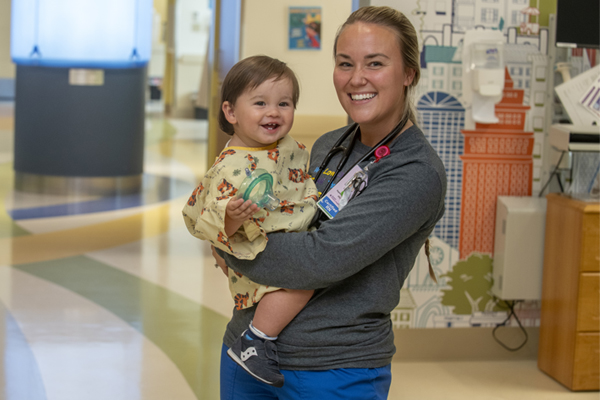
Welcome to Our Pediatric Patient Guide




To our patients, family members, and guests,
On behalf of our incredible caregivers throughout Western Massachusetts, welcome to Baystate Health.
We understand that a hospital stay can feel a bit intimidating and overwhelming.
Many different health care providers will be involved in your care. You may need some tests. You could be on a special diet. You won’t sleep as well as you do at home. You will be asked lots of questions. We are here to support you every step of the way.
This guide provides an overview of the many services available to you and what you can expect during your stay. Our goal is to provide the level of experience that enhances your safety, comfort, health and well-being while delivering high-quality care. We encourage you and your loved ones to actively participate in your care and communicate your questions, needs, and concerns with us openly.
What matters most to us is you—you and your care are at the heart of everything we do. If there is anything more we can do to enhance your experience, please let us know.
From one neighbor to another, thank you for trusting Baystate Health.
Peter D. Banko
President & CEO
Baystate Health
Sign Up for the MyBaystate Patient Portal
MyBaystate is Baystate Health’s patient portal that empowers patients to manage their health information in one convenient, secure place.
Once signed up, you will be able to:
- View and download lab and radiology results, medications, allergies, and immunizations
- Send a secure message to your provider
- Request a new appointment
- Request a prescription refill
- Pay your medical bill
- Check your symptoms
- View your radiology images
- Speak to an academic librarian
Clinical information for patients aged 12 through 17 is not available on MyBaystate, but patients may still use the portal to send a message their providers.


Target of Discrimination
Partners in Care – Our most important team member is YOU!
What to Expect During Your Stay


As a patient at a Baystate Health hospital, you will be interacting with many members of our care team. Each day, there will be a doctor and registered nurse who are responsible for your care, and they will keep you informed about your condition, medications, and schedule for the day. You will also interact with various other members of the team, such as patient care technicians, dieticians, social workers, environmental services staff, and medical interpreters. Our team members will work in partnership with you and your loved ones throughout your stay.
Family Presence & Participation
We embrace a patient- and family-centered care philosophy that values a patient’s family as an integral part of the patient care team.
- Visiting hours are held daily from 10 a.m. to 8 p.m. with a limit of three visitors at one time.
- One adult designated support person will be permitted to be present 24 hours per day throughout the patient's stay.
- There are sleep cots, bathrooms and showers available for guest use. Please ask your caregiver for locations.
- Children under the age of 18 are welcome during the day with adult supervision, however, are not allowed to stay overnight.
- All visitors are asked to be as quiet as possible while walking in the hallways or in patient rooms so other patients are not disturbed.
- There will be times when we have to restrict visitors, especially when there are safety, health exposure or security risks. Please speak to your caregivers if you have any questions about this policy.
- We ask that visitors share our goal in promoting a healing environment for all patients and adhere to our visiting hours and policies. Baystate Health and its employees reserve the right to ask visitors to leave a patient’s room at any time for the patient’s clinical or emotional well-being.
Learn more about Baystate Health’s Visitor Policy.
Spiritual Services
Our spiritual services team provides support and comfort to patients of diverse cultures, traditions, and beliefs.
Patients or their loved ones may request support or spiritual care from a chaplain, including end-of-life comfort and rituals, by speaking to their nurse or calling 413-794-2899. Each of our hospitals feature interfaith chapels and prayer spaces, which are accessible to patients 24/7.
You and Your Family Are a Part of The Team
During your stay, doctors, nurses, and staff will respect the uniqueness of your child and your family and will include you in the plan of care. You are the center of the healthcare team!
Kids this means you too! Ask questions. Understand your treatment plan and medications. SPEAK UP!
SPEAK UP and Take Charge of Your Own Care
- Speak up. Ask questions. Voice concerns.
- Pay attention.
- Educate yourself.
- Designate an Advocate, a trusted family member or friend to be your advocate or support person.
- Know the medicines you take and why.
- Use a healthcare facility that meets The Joint Commission’s quality standards.
- Participate in your care.
Nurse Bedside Report
At shift change, your nurses will come to the bedside to discuss your child’s care. Important information about care is shared with the oncoming nurse during this time. You are encouraged to join the discussion. Share your thoughts, concerns, and questions.
During this time they will:
- Introduce your new nurse.
- Talk about what has been happening during your stay.
- Discuss your plan of care.
- Answer questions you may have.
- Staff will return after report has been completed on all patients to answer further questions and provide care.
If you do not wish to participate in this practice, please let your nurse know.
Family Centered Rounds
Rounds are a time when the medical team talks about your child’s health, discusses what has happened in the hospital, and makes a plan for the day.
- Patient and family involvement in the discussion and decision-making is encouraged, welcome, and expected.
- Rounds typically take place once a day.
- If you are unable to be present for rounds, someone from the team will discuss the plan with you later.
Tips for Managing Pain
Our caregivers are committed to managing the pain our patients may experience and will partner with you to help reach a level of discomfort the patient can tolerate. Your medical team will discuss our Comfort Menu for pain relief options, which may include medications and alternative therapies, including:
- Freezy Spray: Cold Spray just before some procedures, to dull the pain
- Buzzy: Vibrating device interrupts the brain-body connection to distract from procedure discomfort
- Medicated Cream: Local numbing cream applied 20-30 minutes before procedure
- Comfort Hold: Caregivers holding the child in a comfortable position during the procedure
- Guided Imagery: A Relaxation technique to distract from the procedure
- Breathing Techniques: Breath exercises to take focus away from the procedure
- Alternative Focus: Attention distraction techniques to take focus off the procedure
- M Technique: A registered method of touch that calms and relaxes the patient while distracting from the procedure
- Facility Dog: A highly trained service animal providing goal-oriented intervention. Ask your nurse or Child Life Specialist if you qualify for a consultation.
- Alternative Therapies: Some alternative procedures are available depending on the day. Ask your Care Team what may be available.
Child Life and Healing Arts
Child Life Specialists
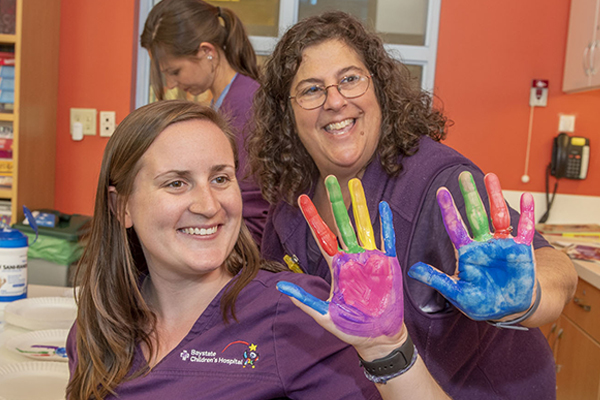
Certified Child Life Specialists (CCLS) are trained child development professionals with expertise in helping pediatric patients and their families overcome the stress of medical experiences. They explain the care process and what to expect in terms your child and family can understand. They promote effective coping for patients and families through play, preparation, education, and self-expression activities.
Healing Arts Programming

We offer various programs to support coping and healing. Ask your Child Life Specialist or nurse for more information about:
- Music Therapy
- Pet Therapy
- Massage Therapy
- Art Therapy
- Camp Outreach
- Special Events
- Play Spaces
Patients admitted to an inpatient unit may be able to visit our play deck and outdoor play space. Patients on isolation or requiring increased monitoring by medical staff can have toys and activities brought to their room.
Baystate Children’s Hospital (BCH) Buddies
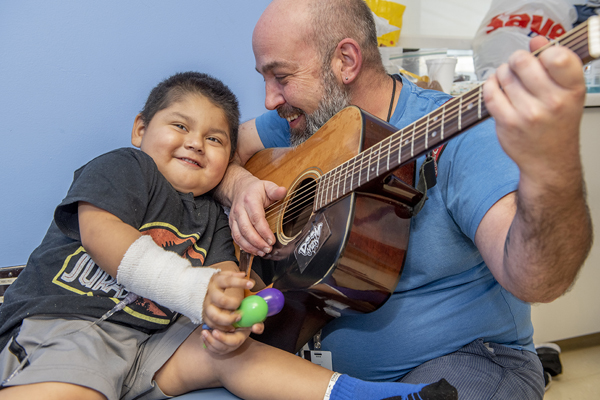
Our specially trained volunteers are identifiable by red polo shirts or jackets. Volunteers can provide play opportunities for patients and respite for parents.
Teens & Young Adult Patients
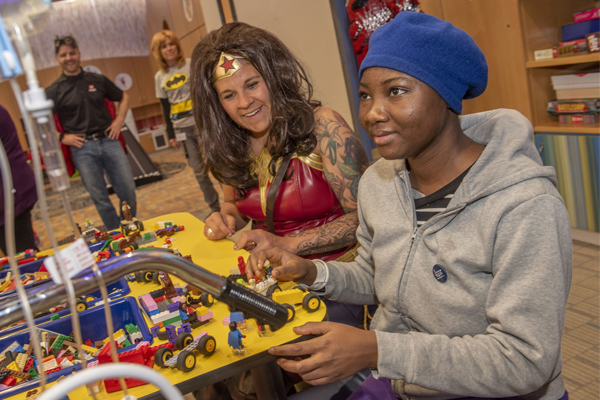
Pediatric patients range in age from birth to 21. We recognize that teens and young adults are a unique population between childhood and adulthood. We encourage you to be active participants in your care. Our staff will make every effort to provide you with privacy, independence, and advocacy.
Ronald McDonald House of Springfield
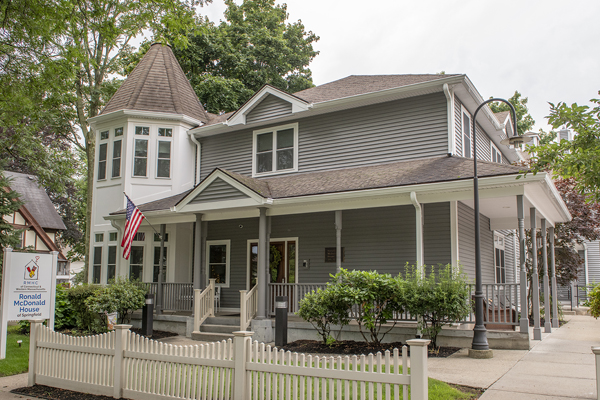
Baystate Health is proud to partner with the Ronald McDonald House of Springfield to support the families of children receiving care at local hospitals. The Ronald McDonald House of Springfield is a welcoming home away from home for families who travel near and far to access the essential medical care their children need in the greater Springfield area. Families are welcome to stay at the Ronald McDonald House of Springfield during their child’s treatment in the hospital and receive lodging, meals, and daily necessities in a communal, compassionate, and supportive environment. Operated by a dedicated staff and community-based volunteers, the House offers families amenities including:
- Family guest room with private bath
- Fully stocked community kitchen and dining area
- Laundry facilities
- TV lounges & children's playroom
- Family Resource Center and Library
- Outdoor patio
Additionally, the Ronald McDonald House of Springfield offers a daily Respite Program where families that only require a few hours of access to the House during their child’s medical treatment can benefit from its resources. Families can use a respite suite for a quiet space of relaxation, a short nap, or just a place to gather as a family outside the hospital for a short while. Access is also granted to an ADA-compliant shower room and all the Houses’ common areas, including the kitchen, dining room, and living room.
Ronald McDonald Family Room at Baystate Children’s Hospital
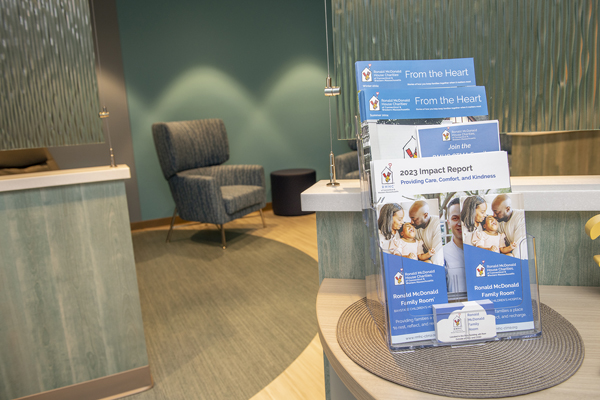
Located within the Children’s and Adolescent Unit, the Ronald McDonald Family Room at Baystate Children’s Hospital provides a supportive space for families of hospitalized children just steps from the bedside, offering comfort and amenities within the hospital, and allowing families to stay close to their child and actively engage in their healthcare journey.
The Ronald McDonald Family Room is open Monday – Friday, Noon – 6 p.m. and provides a quiet space for rest and meditation for caregivers, including:
- Comfortable chairs to relax in and unwind
- State-of-the-art massage chair
- Kitchen area with beverages and snacks
- Grab-and-go lunches
- Freshwater aquarium
- Internet access and charging station
- Reading materials
Ask your caregiver for more information or visit the RMHC of Connecticut and Western Massachusetts website.
Patient Safety
Keeping our patients safe is our top priority. We encourage you to become actively involved in your care by following these guidelines.
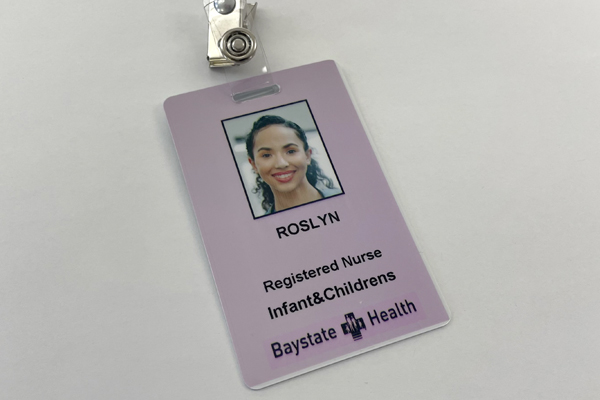
EMPLOYEE IDENTIFICATION
All hospital employees wear identification badges. Feel free to ask any staff member for their name and job role.
Only an employee with a badge with a PINK background can remove a child from their room.
You can identify caregivers by the colors they wear.
Identify Your Caregiver by Uniform Color
Other Ways to Stay Safe
Preventing Infection
- Please wash your hands or use hand sanitizer at the beginning of your visit and prior to leaving.
- Wash your hands if they are visibly soiled and after diaper changes.
- If you don’t see us wash our hands or use sanitizer before touching your child, please let us know.
- Please do not visit if you or your family has symptoms of a cold or flu. Please talk to your baby’s nurse for support during this time.
Preventing Falls
- Please check with the nurse before you get out of bed, go to bathroom, or get back in bed.
- Always wear non-skid shoes, slippers or hospital socks (see image below).
- Before getting up, sit at the edge of your bed for 10-15 seconds and dangle your feet over the side. Do you feel dizzy or lightheaded? If so, CALL YOUR NURSE and DO NOT GET UP!
- Ask your health care team if your medication or condition may make you more likely to fall.
- Please be careful of IV lines, monitor wires, catheter tubes, etc. If you need assistance or guidance on moving your child, please call your nurse first.
- If your child is less than one year old, they must sleep in an incubator or crib. Ensure the side rails are in the highest locked position and the clear vinyl sides of the canopy are in the lowest locked position.
- If your child is 2-3 years old and you request a hospital bed instead of a crib, please be sure you are with them at all times.
Safe Sleep
While you and your baby are in the hospital, we hope you will allow us to support you in keeping your baby safe. Upon admission, your caregiver will review safe sleep practices and ask you to sign our safe sleep pledge.
Babies should always sleep alone, on their backs, in a safe crib without pillows, blankets, soft objects or loose bedding.
Questions? Feel free to ask your caregiver.
Infant Security System
We use an infant security system to protect your child. It is activated by a small tag attached to your child’s ankle. All children under 12 months and other children with specialized needs will have a security tag placed.
An alarm is triggered and Security alerted if:
- Tag is tampered with
- Band is cut
- Child is leaving the unit without signing out
- Child is too close to entrance/exits
Please call your nurse if the tag straps need to be adjusted.
Preventing Blood Clots
Clots are prevented by moving your feet and legs and turning over at least every two hours.
Isolation Precaution Signs
- Patients: You may have a condition that requires isolation. A sign will be posted on or around your room door. If you have an isolation sign in most instances, you will need to stay in your room. If you have to leave your room for a test or treatment and have a cough or cold symptom, you may need to wear a mask when you leave the room.
- Visitors: Family and visitors need to report to the nurse’s station if there is an isolation sign next to the patient door. The nurse will explain what is needed to visit. It is always important for visitors to wash their hands when they arrive and before they go home.
- Patients and visitors in isolation rooms are unable to visit the play deck or other common spaces. A Child Life Specialist or another staff member can bring activities to your room.
Know Your Medications
- Ask questions about medications, such as what the medication does, possible side effects and any other concerns.
- While in the hospital, patients should not take medications from home of any kind unless instructed by the health care team.
Patient Owned Equipment
Due to fire and safety codes, the use of patient-owned medical equipment (CPAP machines, etc) ordered by your provider will be tested by Clinical Engineering before use to insure that it meets safety standards.
Patient Owned Insulin Pumps
For your safety and optimal medical care during this hospital stay please let the nursing and medical staff know that you are using a medication (i.e. insulin ) pump to inject your own medications. If you need to dispose of needles, lancets or other sharps, please let the staff know so we can provide you with a safety container. Do not leave sharps at the bedside, table or food trays.
Fire Drills
For your safety we routinely conduct fire drills at various times of the day. Should you hear a fire alarm please do not become frightened. Staff will close the door to your room and inform you of the reason they are doing so. Should a real emergency arise all staff are trained to protect you and others within the facility.
Preparing for Discharge – Bridging care from hospital to home
When it’s time to be released from the hospital, your doctor will provide a plan for follow-up. Your doctor or nurse will give you discharge instructions and answer any questions about managing your treatment and medications. Be sure to understand any instructions before you leave the hospital. If you are receiving services at home, be sure you and/or your caregiver understand the services that you need.
Make Sure You Have The Following Before You Leave
- Discharge summary
- Medication list
- Medications brought from home
- Prescriptions
- Follow-up care instructions & plan for follow-up appointment
- After-hospital services
- Belongings/any valuables placed in room safe or in hospital safe
- Check your room, bathroom, closet, and bedside table for personal items
IF YOU THINK YOU ARE BEING ASKED TO LEAVE THE HOSPITAL TOO SOON
You may have the right to appeal your discharge if you don’t agree with the decision that you are ready to leave the hospital. Medicare inpatients who decide to appeal should do so immediately by calling the Quality Improvement Organization (QIO). The QIO is a group of doctors who are paid by the federal government to review medical necessity, appropriateness, and quality of hospital treatment provided to Medicare patients.
Appeal process:
- If you are a Medicare inpatient, ask a hospital representative for an Important Message notice if you have not already received one
- Follow the directions on the Important Message notice to request a Fast Appeal.
- You must ask for an appeal no later than the day you are scheduled to be discharged.
- Once you call the QIO, the hospital will be notified of your appeal request and will issue a Detailed Notice of Discharge indicating your appeal is in process.
- Process can take up to 48 hours from the time your appeal is received.
- The QIO will notify you of their decision.
Note: If you lose the appeal, you may be billed for all costs of staying beginning at 12:00 pm the day after you are notified by the QIO.
The QIO for our area is:
Acentra Health 1-888-319-8452, TTY 711
5201 West Kennedy Blvd.
Suite 900
Tampa, FL 33609
TO ENSURE A SAFE AND SMOOTH TRANSITION FROM HOSPITAL TO HOME
You may need continued care when you return home. Baystate Home Health is our preferred provider and can provide comprehensive home healthcare services in your home, including skilled nursing, physical therapy, occupational therapy, speech therapy, medical social work, home health aide, IV therapy, wound care, home safety evaluations, palliative and hospice care. Home health services need to be ordered by a physician and approved by your insurer. Infusion and respiratory services are available to provide medical equipment and supplies to patients’ in their home including oxygen, ventilators, home infusion and nutritional services, along with wheel chairs, hospital beds, and bath safety items.
In some cases a brief time in a skilled nursing facility or acute rehabilitation facility may be the safest transition for you.
Your case manager can help you with your home care and rehabilitation options. Ask to speak with your case manager if you have questions or need more information about your discharge services.
Back to Top